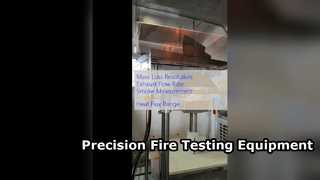
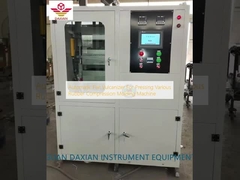
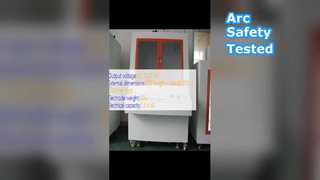
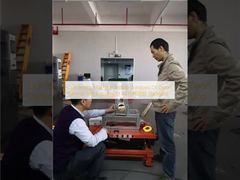
Brief: We tested it—see the highlights and what to expect in real operation. This video provides a detailed walkthrough of the GA/T42.2 Flame Retardant Wood Combustion Test Device, demonstrating how it measures mass loss rate and flame burning time for treated wood panels under controlled conditions. You'll see the equipment's automatic ignition, real-time temperature display, and data printing features in action, showcasing its compliance with the GA/T42.2-92 standard.
Related Product Features:
Tests combustion mass loss rate and flame burning time for flame-retardant treated wood panels and products (d ≤ 20mm).
Complies with the technical parameters specified in the GA/T42.2-92 standard.
Features microcomputer control for automated operation, including automatic ignition and timing.
Provides real-time temperature display and data printing capabilities for accurate record-keeping.
Operates with environmental conditions of -5℃ to 30℃ and humidity ≤70%, powered by AC220V ±10V.
Uses natural gas or liquefied petroleum gas (95% purity, user-provided) as the gas source.
Offers precise timing accuracy of 0.1s and temperature control with an error of 180 ± 10℃.
Accommodates test pieces sized 1016mm × 19mm × 10mm, with flexibility for shorter pieces to be connected.
FAQ:
What is the primary application of the GA/T42.2 Flame Retardant Wood Combustion Test Device?
It is mainly used for testing the combustion mass loss rate and flame burning time of indoor decoration wood panels and wooden products (with a thickness d ≤ 20mm) that have been treated with flame retardant impregnation, under specified combustion conditions.
Which standard does this testing equipment comply with?
The device is developed in accordance with the technical parameters specified in the GA/T42.2-92 standard, ensuring it meets the required testing protocols for flame retardant wood.
What are the key operational features of this combustion test device?
Key features include microcomputer control for automated operation, automatic ignition and timing, real-time temperature display, and data printing. It operates with a timing accuracy of 0.1s and a temperature error of 180 ± 10℃, using natural gas or liquefied petroleum gas as the gas source.